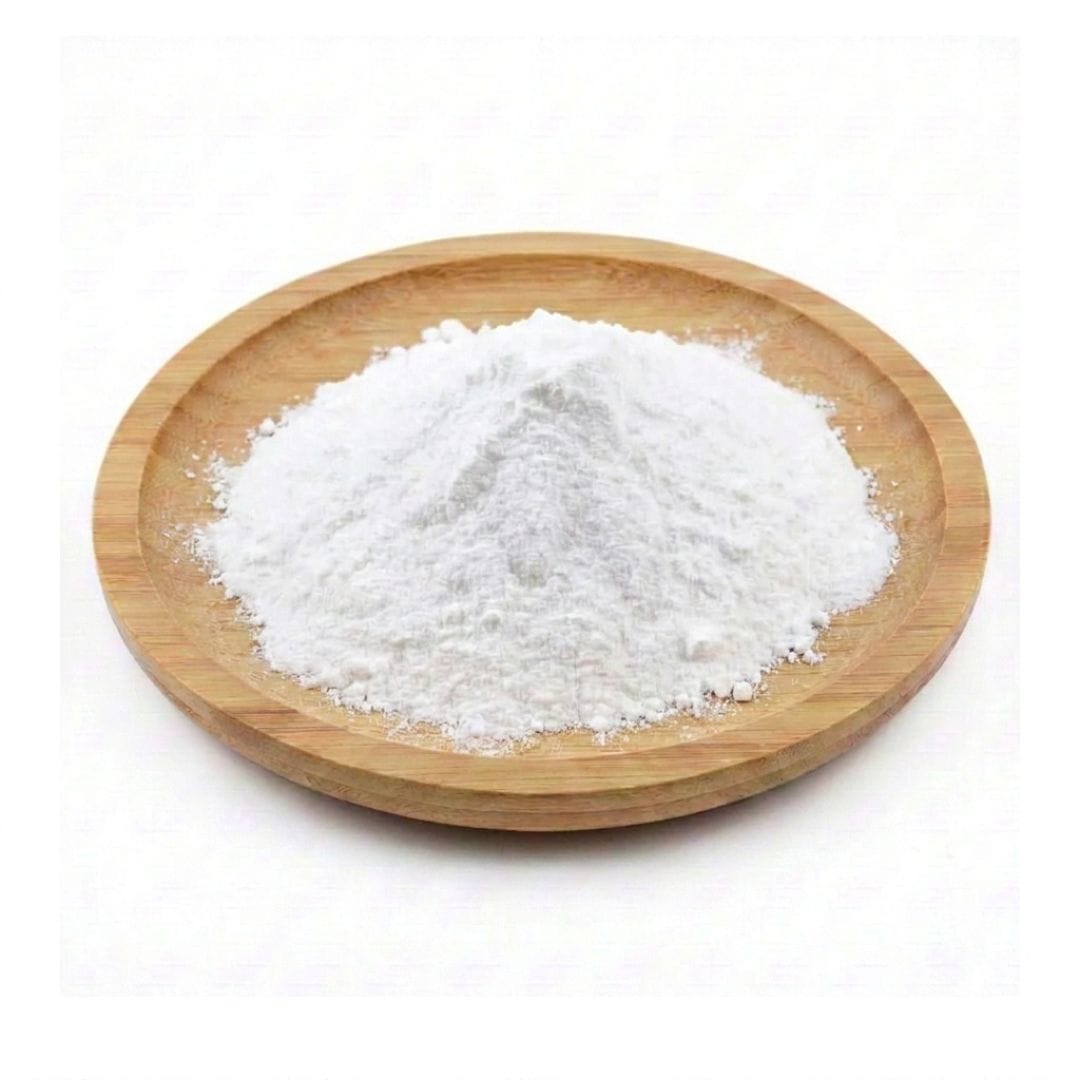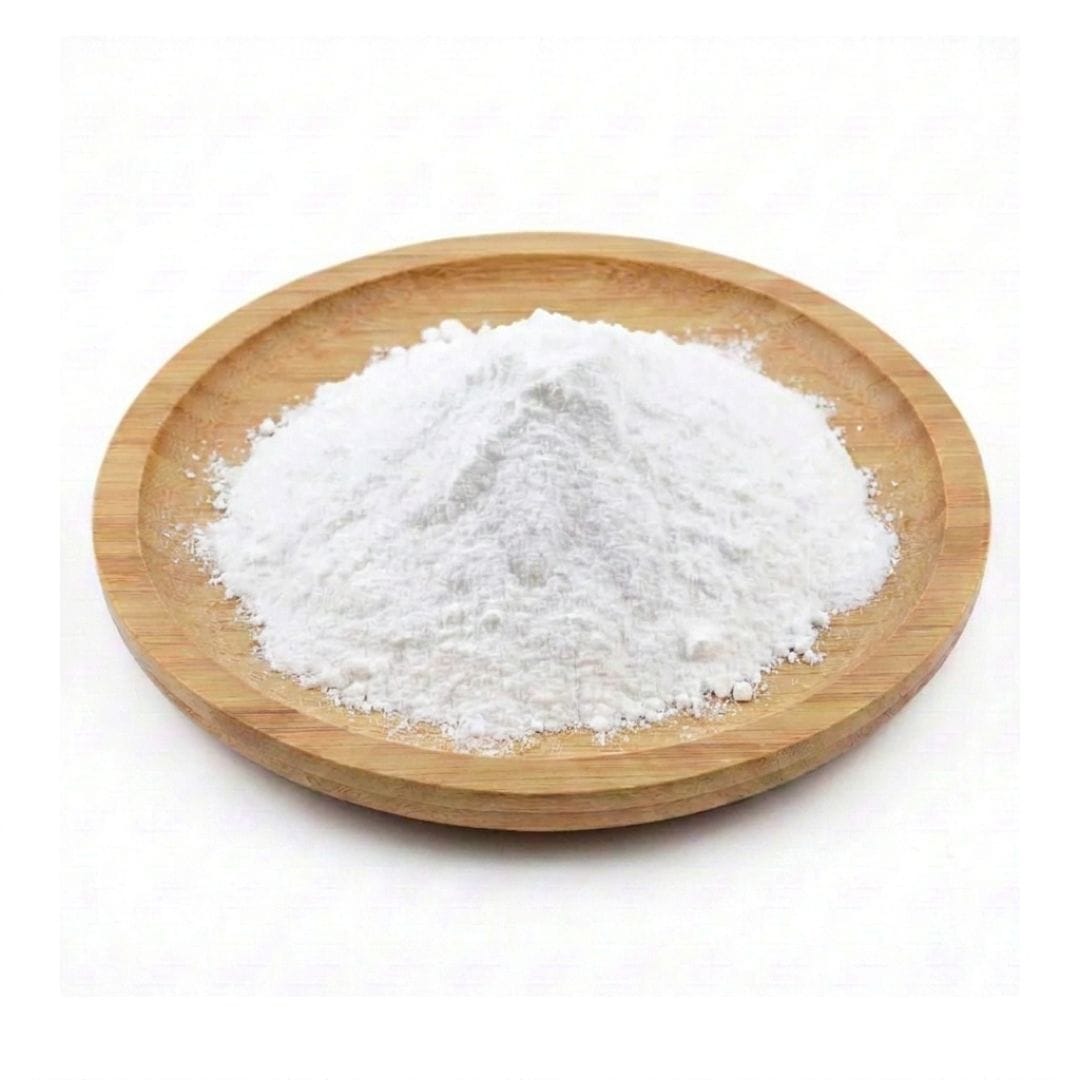
Plant Extract Supply is a premier global manufacturer and trusted supplier of Wholesale Bulk 99% Micro Palmitoylethanolamide (PEA) Powder. Engineered for maximum bioavailability and rigorously tested for purity, our micronized PEA is the raw material of choice for formulators developing cutting-edge sports nutrition supplements, joint health formulas, and advanced neuroprotective products.
As globally recognized dietary supplement ingredient, our bulk PEA powder is widely specified by top-tier brands across the United States, Australia, the United Kingdom, Canada, and key European markets, including the Netherlands, Belgium, and Italy.
What is Palmitoylethanolamide (PEA) Powder?
Palmitoylethanolamide (often abbreviated as PEA, chemically known as Palmidrol or N-Palmitoylethanolamine) is an endogenous fatty acid amide. "Endogenous" means that it is naturally synthesized within the human body on demand, particularly in response to cellular stress, tissue damage, and inflammation.
From a structural perspective, the molecule's name is a combination of its core components:
Palmitoyl + Ethanol + Amide
It has been extensively clinically demonstrated that PEA binds to specific nuclear receptors, modulating various biological functions related to the body's natural response to chronic pain and systemic inflammation.
Clarifying the Terminology: PEA vs. Other Nutritional Compounds
Because "PEA" is a common acronym in the supplement industry, formulators and procurement professionals must distinguish Palmitoylethanolamide from other similarly named substances:
- PEA (Phenylethylamine): Phenylethylamine (or Phenylethylamine HCl) is a central nervous system stimulant commonly used in mood enhancement and weight-loss formulations. It has completely different chemical properties and no biological relationship to Palmitoylethanolamide.
- Pea Protein: This refers to the plant-based protein extracted from the yellow pea legume, serving as a macronutrient source for vegetarian bodybuilding supplements.
When you source from Plant Extract Supply, you are securing functional, ultra-micronized Palmitoylethanolamide (um-PEA) specifically designed for therapeutic dietary formulations.
Chemical Identity and Physical Properties
For formulation chemists and quality control teams, understanding the exact technical specifications of raw Palmitoylethanolamide is crucial for stability and product efficacy.
- IUPAC Name: N-(2-Hydroxyethyl) hexadecanamide
- Other Synonyms: Hydroxyethylpalmitamide, Palmidrol, N-Palmitoylethanolamine
- CAS Registry Number: 544-31-0
- Molecular Formula: C18H37NO2
- Molecular Weight: 299.49
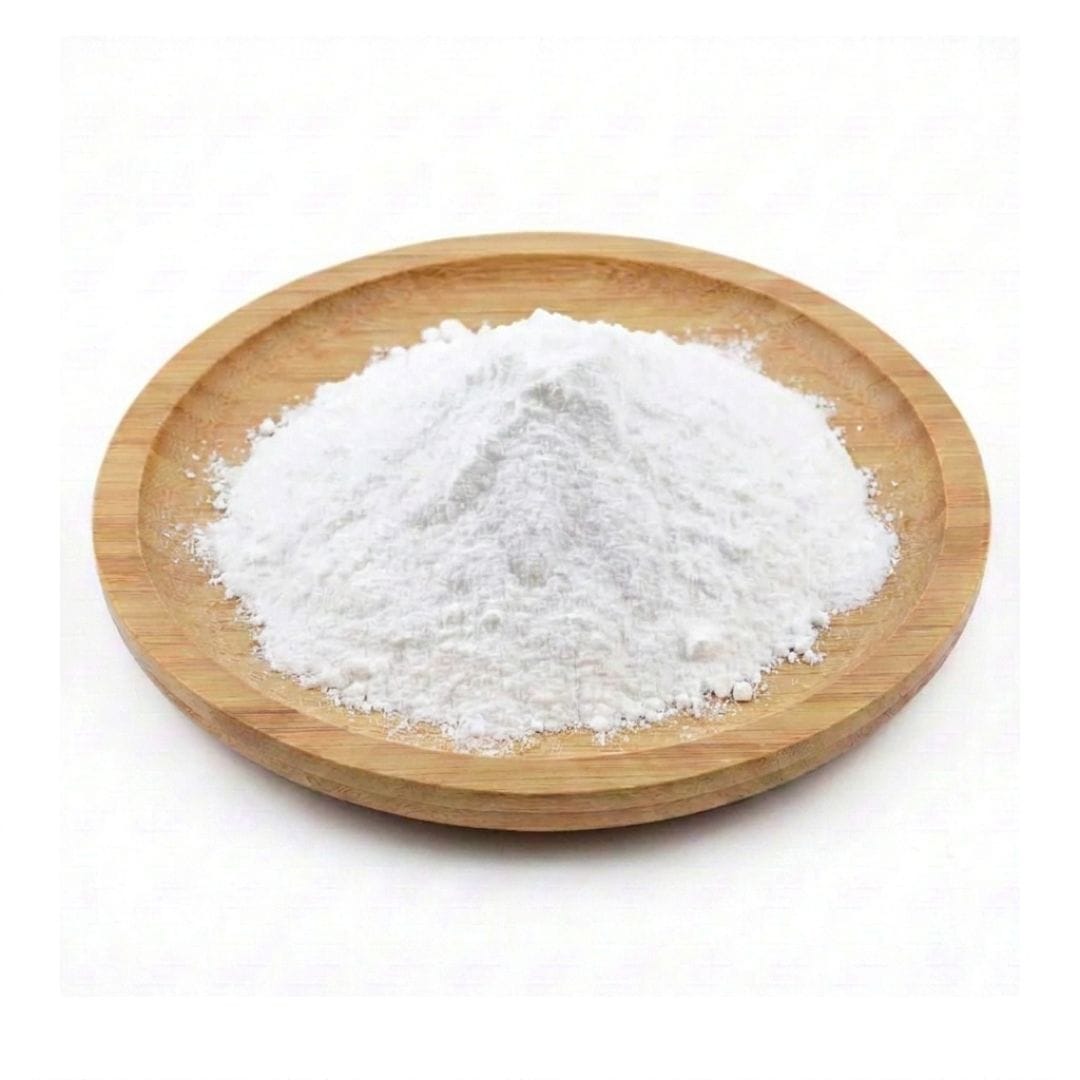
- Appearance: Fine, white to off-white crystalline powder
- Solubility Profile: Palmitoylethanolamide is highly lipophilic. It is practically insoluble in water and poorly soluble in most aqueous solvents.
- Formulation Compatibility: Due to its specific solubility profile, 99% of finished commercial formulations are successfully delivered via softgels or lipid suspensions, or encapsulated in standard hard capsules using micronized powder to increase surface area and gastrointestinal absorption.
The Necessity of Bulk PEA Synthesis: Limitations of Natural Food Sources
While Palmitoylethanolamide is present in the human diet, relying on natural food sources for therapeutic efficacy is biologically restricted. Trace amounts of PEA are found in soy lecithin, egg yolks, peanuts (Arachis hypogaea), and alfalfa (Medicago sativa).
However, the yields are microscopic. For instance, highly enriched soybeans contain a maximum of 6700 ng/g (nanograms per gram)—which equates to merely 6.7 mg of PEA per kilogram of soybean. Obtaining an evidence-based functional dose from diet alone is biologically impossible.
This biochemical reality drives the worldwide demand for synthesized, high-purity Wholesale Bulk 99% Micro Palmitoylethanolamide Powder. By utilizing standardized manufacturing processes, we provide high-concentration, ultra-pure raw materials that lower manufacturing costs while ensuring consistency from batch to batch.
Synergistic Pain Management Formulation: PEA and Anandamide (AEA)
Innovative dietary formulators frequently combine our bulk Palmitoylethanolamide with Anandamide (AEA). Both are endogenous fatty acid amides that play pivotal roles in the endocannabinoid system, and literature suggests they possess profound synergistic effects in models of pain and analgesia.
Gas-chromatography/mass-spectrometry studies indicate that localized levels of AEA and PEA can cause the tonic activation of cannabinoid receptors. When supplemented together, the synergy is notable:
In specific pharmacological models, concurrent administration of anandamide and PEA inhibited the early phase of formalin-evoked pain behavior with a potency approximately 100-fold greater than when either compound was administered alone. The synergy is partially mediated through the CB1 and CB2 receptors.
The FAAH Enzyme Mechanism: Furthermore, the Fatty Acid Amide Hydrolase (FAAH) enzyme is responsible for degrading both AEA and PEA in the body. By introducing exogenous bulk PEA, the FAAH enzymes become occupied, significantly slowing down the breakdown of anandamide. This mechanism naturally prolongs the positive, pro-resolving effects of both molecules within the body.
Advanced Mechanism of Action at the Cellular Level
Unlike traditional NSAIDs or analgesics, Palmitoylethanolamide exerts complex, multi-target neuroprotective and anti-inflammatory effects without the typical gastrointestinal adverse effects. It influences multiple cellular receptors directly and indirectly:
- Direct Receptor Modulation (PPAR-α & GPR55): PEA is a direct agonist of PPAR-a (Peroxisome proliferator-activated receptor alpha), which mediates mood, pain responses, and neuroinflammation. Once bound, PEA forms heterodimers with retinoic acid receptors, acting as a transcription factor promoter. This activation also boosts intracellular neurosteroids, altering crucial calcium and big-conductance potassium channels—ultimately hyperpolarizing neurons to provide an antiseizure and neuro-calming effect.
- Endocannabinoid Enhancement (Entourage Effect): PEA elevates naturally occurring levels of Anandamide and 2-AG (2-arachidonoyl-glycerol) by downregulating FAAH expression.
- TRPV1 Activation: Through allosteric modulation, PEA potentiates the activity of Anandamide at the TRPV1 receptors (transient receptor potential vanilloid type-1 channel), which directly regulates thermal and pain sensations.
- Cellular Down-Regulation: PEA actively prevents the excessive degranulation of mast cells and quiets hyperactive glial cells, restoring homeostatic cellular behavior. Concurrently, PEA naturally suppresses the activity of pro-inflammatory COX enzymes.
Evidence-Based Health Benefits and Applications
Disclaimer: As a B2B raw material supplier, Plant Extract Supply notes that PEA dietary formulations are not evaluated by the FDA to diagnose, cure, or prevent specific diseases. Formulators must adhere to local regulatory and labeling laws.
Brands purchasing our wholesale Palmitoylethanolamide target the following wellness categories:
Neuropathic and Musculoskeletal Comfort
The clinical weight behind PEA is substantial. In a pivotal, double-blind, placebo-controlled clinical trial involving 636 sciatic pain patients, the administration of PEA resulted in an impressive 50% reduction in pain intensity over just 3 weeks of treatment. Crucially, PEA achieves these results without the drug interactions or troublesome side effects often associated with conventional pain management protocols.
Chronic Inflammation Management
Where there is neuro-inflammation, there is chronic pain. The sustained imbalance between pro-inflammatory triggers and pro-resolving mediators is the root of most degenerative joint and nerve conditions. As a potent pro-resolving lipid mediator, PEA proactively turns down mast cell activation, managing the underlying inflammatory process rather than simply masking sensory pain.
Quality Control, Storage, and B2B Procurement
Plant Extract Supply operates under stringent Quality Assurance (QA) and Quality Control (QC) frameworks to ensure that our Wholesale Bulk 99% Micro Palmitoylethanolamide Powder meets the highest international manufacturing standards.
- Particle Size Optimization: Our ultra-micronized process radically increases the surface area of the PEA crystals, surmounting the compound's natural hydrophobicity and maximizing gastrointestinal absorption for premium capsule and lipid-based products.
- Storage Recommendations: To maintain absolute potency and structural integrity, bulk PEA powder should be stored in tightly sealed containers in a cool, dry environment, protected from severe moisture and direct UV sunlight.
- Quality Standard: Comprehensive third-party analytical testing ensures ≥99.0% assay purity, alongside rigorous checks for heavy metals, microbial limits, and residual solvents.
Partner with Plant Extract Supply to secure a compliant, traceable, and highly effective batch-to-batch supply of bulk Palmitoylethanolamide (CAS 544-31-0). For proprietary commercial pricing, Certificate of Analysis (COA) requests, or formulation compatibility consulting, please contact our expert sourcing team down below.
Ready to elevate your formulations?
Contact our chemical and nutritional raw materials department at: [email protected]