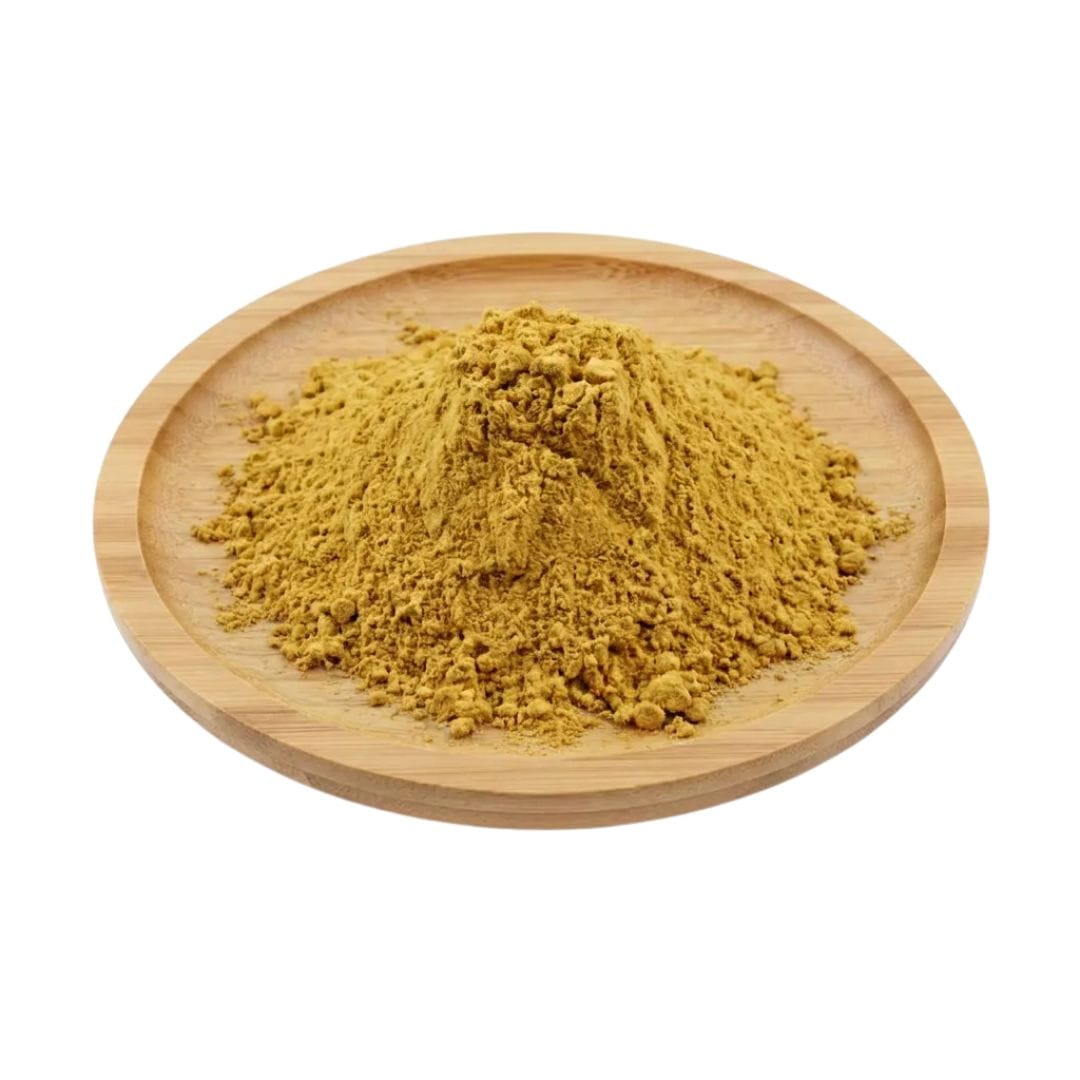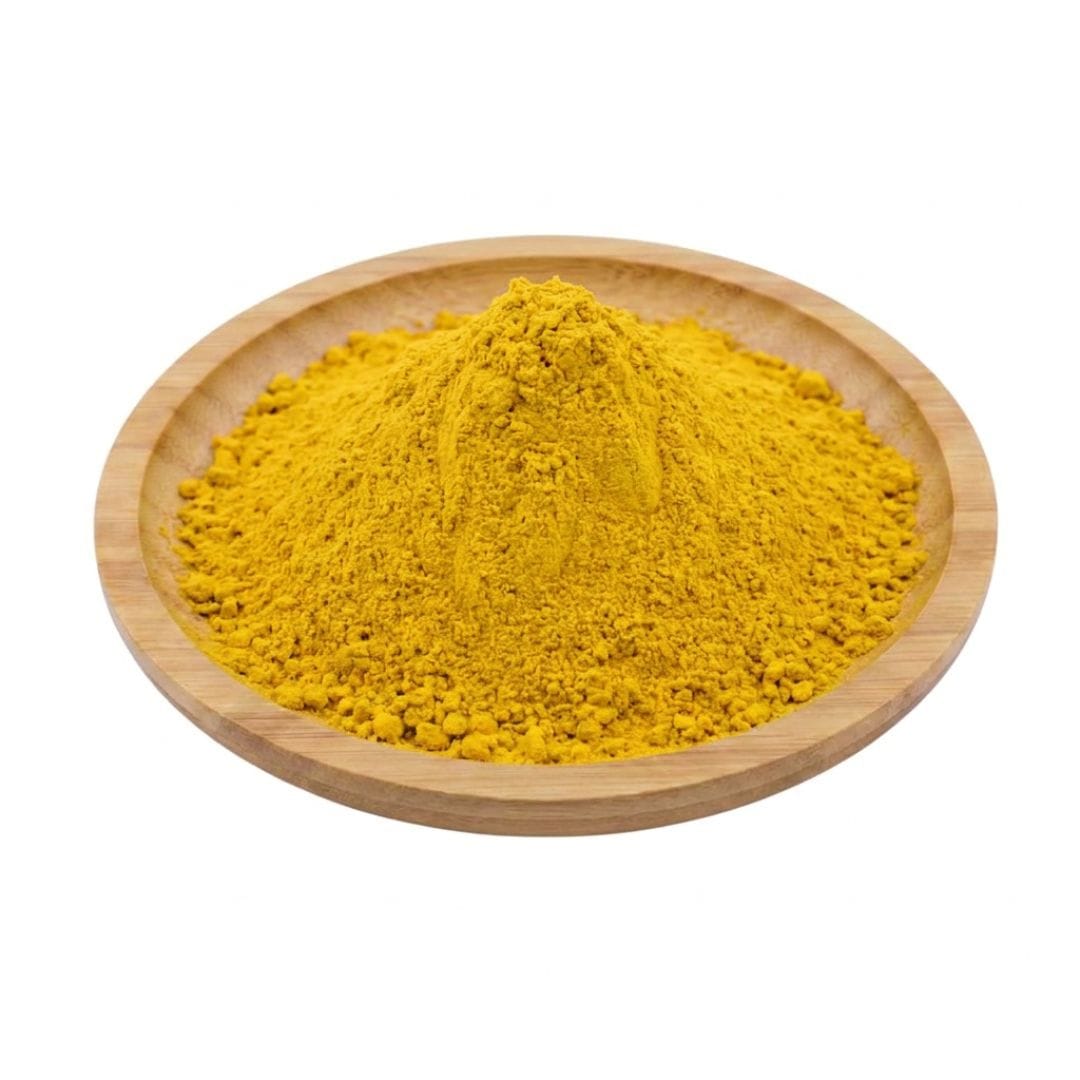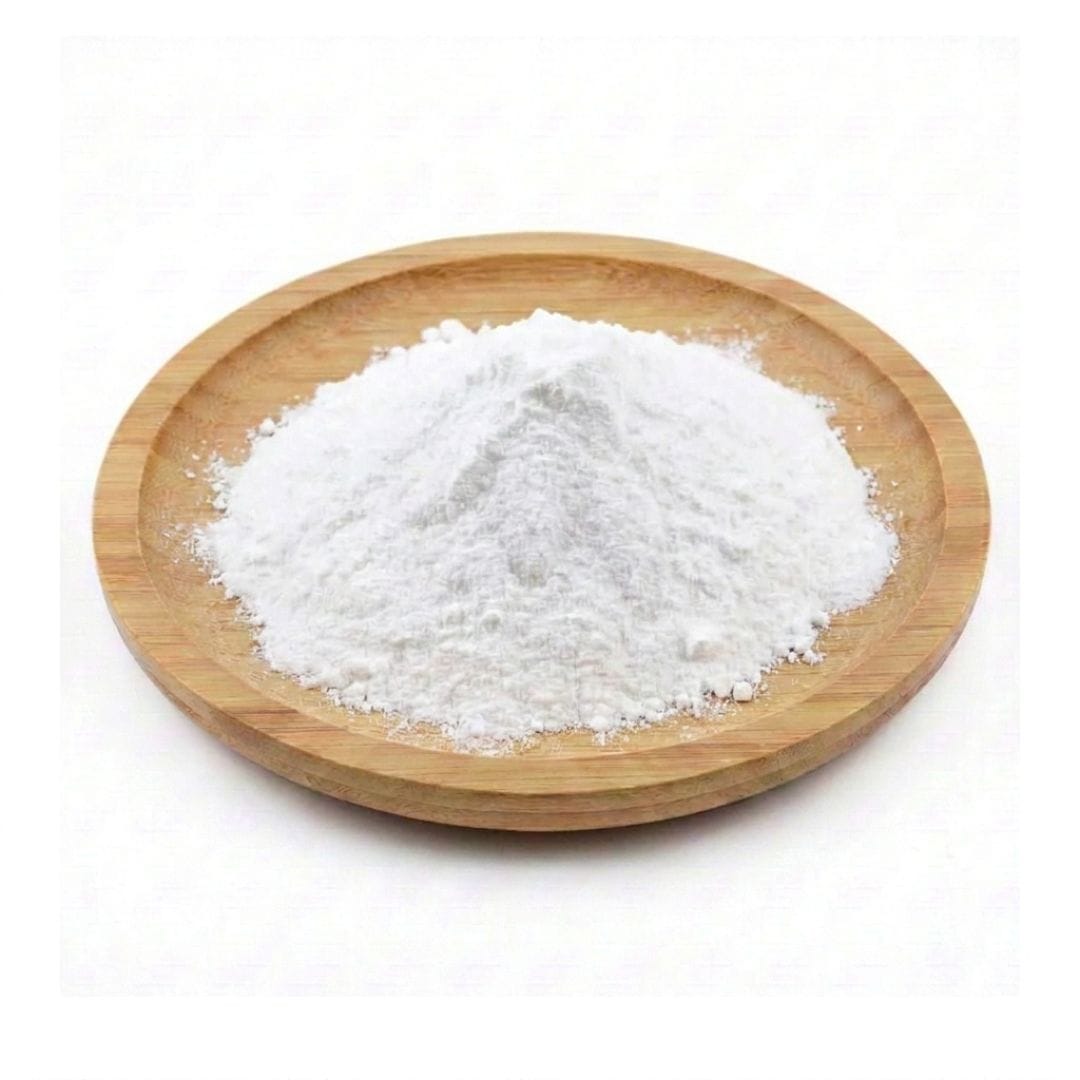
Product Overview: What is Oleanolic Acid?
Nutrition Supplement Food Grade Oleanolic Acid Powder is a highly purified, naturally derived plant extract widely utilized in the dietary supplement, functional food, and nutricosmetic industries. From a phytochemical perspective, Oleanolic Acid (OA) is a naturally occurring hydroxyl pentacyclic triterpenoid acid (HPTA). It shares a closely related structural framework with other bioactive triterpenoids such as betulinic acid and ursolic acid.
Also recognized by its chemical nomenclature, 3β-hydroxy-olea-12-en-28-oic acid, and its pharmaceutical and botanical synonym, Acidum Oleanolicum, this bioactive compound is celebrated for its versatile physiological benefits, particularly in liver health, metabolic support, and oxidative stress management.
Botanical Sources: Where is Oleanolic Acid Found?
At a dietary level, oleanolic acid is trace-abundant in various fruits, including apples, pomegranates, lemons, bilberries, and olives. However, for industrial extraction and formulation, raw botanical sourcing requires specialized medicinal herbs with much higher natural yields.
Extensive high-performance liquid chromatography (HPLC) testing reveals the precise oleanolic acid content across several prominent medicinal botanicals:
- Ligustrum lucidum Ait: 0.8028% (HPLC)
- Verbena officinalis L.: 0.071% - 0.086% (HPLC)
- Prunella vulgaris L.: 3.47% - 4.46% (HPLC)
- Hemsleya chinensis Cogn.: 1.5% - 2.0% (HPLC)
While Prunella vulgaris L. exhibits a naturally high concentration, Hemsleya chinensis Cogn. remains the most commercially viable and industry-preferred raw material for large-scale, standardized extraction of premium oleanolic acid due to its stability, cultivation scale, and extractability profile.
The Premier Raw Material: Hemsleya chinensis Cogn.
Hemsleya chinensis Cogn. is a resilient perennial climbing herb deeply rooted in traditional botanical medicine. Through modern pharmacological research, it has become a cornerstone of global botanical extract manufacturing.
Botanical Taxonomy and Cultivation:
- Family: Cucurbitaceae
- Tribe: Gomphogyneae
- Genus: Hemsleya
- Related Species: Hemsleya amabilis
This robust plant thrives in the forest edges and deep valley shrublands at elevated altitudes of approximately 2,000 meters. Its geographical distribution encompasses several diverse, ideal-climate provinces, including Guangxi, Sichuan, Guizhou, Yunnan, and Hubei.
Complex Active Matrix:
Beyond oleanolic acid, the plant contains a sophisticated matrix of active constituents, including: Hemslolide Mal, Ma3, H1; Chikusetsusaponin-Iva; dihydro cucurbitacin F-25-acetate; dihydrocucurbitacin F; oleanolic acid-beta-D-glucosyloleanolate; Hemsamabilinin A; and Cu-curbitacin IIb-2-beta-D-glucopyranoside.
Advanced Extraction & Manufacturing Mastery
At Plant Extract Supply, our Nutrition Supplement Food Grade Oleanolic Acid Powder is produced through a multifaceted, solvent-based extraction and purification process. Starting with sustainably harvested Hemsleya chinensis Cogn., the raw biomass is subjected to controlled-temperature extraction, rigorous filtration, and selective crystallization.
This advanced processing methodology deliberately isolates the hydroxyl pentacyclic triterpenoid acid structure, stripping away undesirable impurities, heavy metals, and residual solvents. The result is a highly stable, bioavailable, and chemically homogenous off-white crystalline powder that meets rigorous international pharmacopeial and food-grade standards.
Comprehensive Quality Profile & Basic Analysis
Our Oleanolic Acid Powder undergoes stringent, multi-stage analytical testing to guarantee purity, safety, and consistency for global B2B procurement and commercial formulations.
Active Ingredient & Physical Characteristics:
- Assay (Purity): Specification ≥98.0% | Result: 98.4% (Testing Method: HPLC)
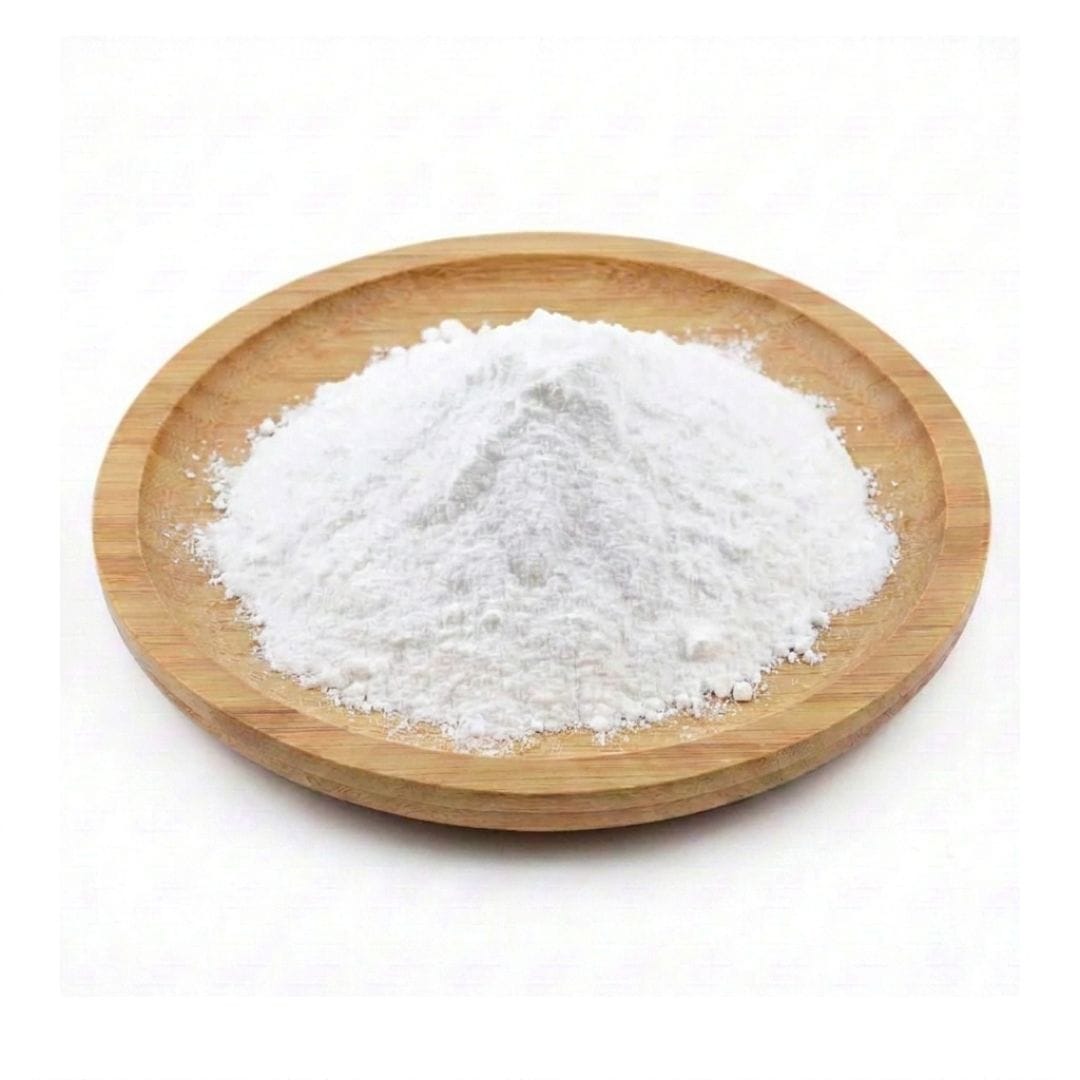
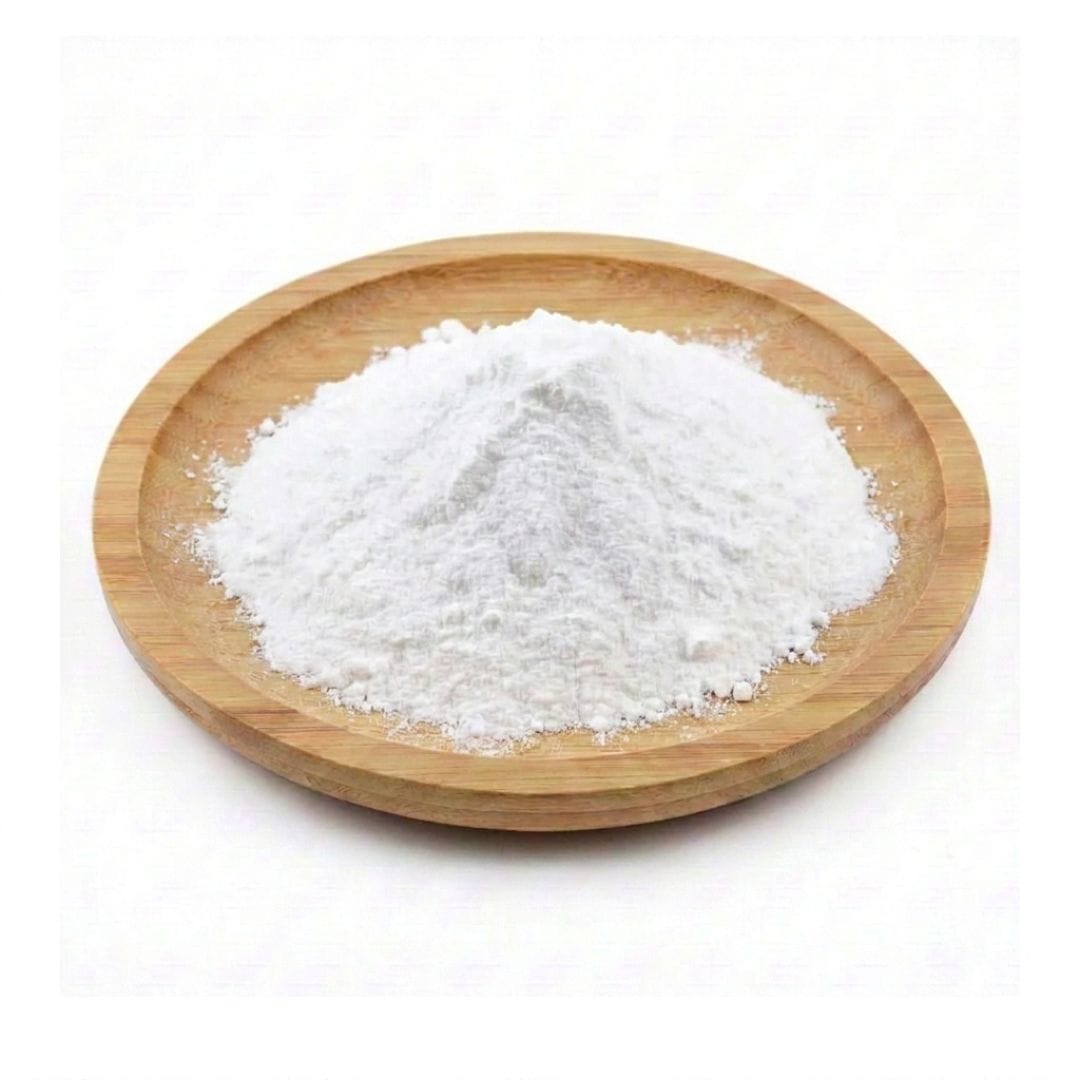
- Appearance: Off-white crystalline powder (Organoleptic: Conform)
- Odor & Taste: Odorless and tasteless (Organoleptic: Conform)
- Loss on Drying: ≤0.5% | Result: 0.01% (Method: USP<731>)
- Residue on Ignition: ≤0.1% | Result: 0.039% (Method: USP<561>)
- Specific Rotation: 75.0° to +83.0° | Result: +78.2° (Method: CP2010)
Heavy Metal & Elemental Safety (ICP-MS):
- Total Heavy Metals: ≤20ppm (Result: Conform, USP<231> Method II)
- Lead (Pb): NMT 3ppm (Result: Conform)
- Arsenic (As): NMT 2ppm (Result: Conform)
- Cadmium (Cd): NMT 1ppm (Result: Conform)
- Mercury (Hg): NMT 0.1ppm (Result: Conform)
Microbiological Parameters (AOAC Methods):
- Total Plate Count (TPC): NMT 5,000 cfu/g (Result: Conform)
- Yeast & Mold: NMT 300 cfu/g (Result: Conform)
- Salmonella: Negative
- E. Coli: Negative
Functional Health Benefits & Industry Applications
Oleanolic Acid—often studied alongside its structural isomer ursolic acid—is highly regarded in nutritional and supplementary sciences for its broad-spectrum biological activity. Formulators leverage this ingredient for several key therapeutic targets:
- Hepatoprotective (Liver Care) Properties: One of the most documented benefits of oleanolic acid is its profound ability to protect liver function. It actively stimulates liver cell regeneration and repair while mitigating liver cellular damage. It also assists in regulating hepatic lipid metabolism, providing preventative and structural support against conditions like fatty liver disease.
- Potent Anti-inflammatory & Antioxidant Action: The compound exerts robust antioxidant capabilities by neutralizing cellular free radicals and attenuating the impact of oxidative stress. Simultaneously, it modulates inflammation by inhibiting the release of pro-inflammatory mediators.
- Metabolic Health & Blood Sugar Regulation: Oleanolic acid exhibits notable hypoglycemic properties, helping support healthy blood glucose levels. It is recognized for improving pancreatic islet cell function, promoting healthy insulin secretion, and enhancing general cellular insulin sensitivity.
- Cellular Defense (Anti-tumor Potential): In various scientific models, this triterpenoid regulates the stages of cell apoptosis. It demonstrates inhibitory actions against the proliferation and tissue invasion of aberrant cells by modifying specific signaling pathways.
- Antibacterial & Antiviral Defense: As a powerful botanical defender, it inhibits the growth and replication cycles of varied bacterial strains and viral pathogens, proactively lessening the risk of seasonal infections.
- Cardiovascular & Dermatological Applications: Beyond internal medicine, oleanolic acid enhances resistance to ischemic heart disease and possesses strong skin-protective, anti-aging properties, making it an excellent dual-purpose ingredient for both ingested supplements and topical nutricosmetics.
Formulation Compatibility, Packaging, and Storage
Applications: Perfectly suited as an active pharmaceutical ingredient (API), a dietary supplement raw material (capsules, tablets, soft gels), a functional food additive, and a cosmetic cosmetic compound.
Compatibility: Exceptional chemical stability allows it to be dry-blended with other botanical extracts, vitamins, and liposomal delivery systems without degradation.
Storage Recommendations: To maximize its shelf life, keep the powder in tightly sealed original containers, stored in a cool, dry, and well-ventilated environment away from direct light, moisture, and extreme heat.
Partner with Plant Extract Supply
At Plant Extract Supply, we are dedicated to providing global manufacturers, distributors, and R&D formulation laboratories with premium botanical ingredients. Our Nutrition Supplement Food Grade Oleanolic Acid Powder sets the benchmark for consistency, high-purity assay verification, and total supply chain traceability.
For wholesale inquiries, customized packaging requests, updated bulk pricing, and full Certificate of Analysis (COA) documentation, please connect with our dedicated commercial team at [email protected].